

FOR WELLNESS PRACTITIONERS · GROUND_TRUTH™
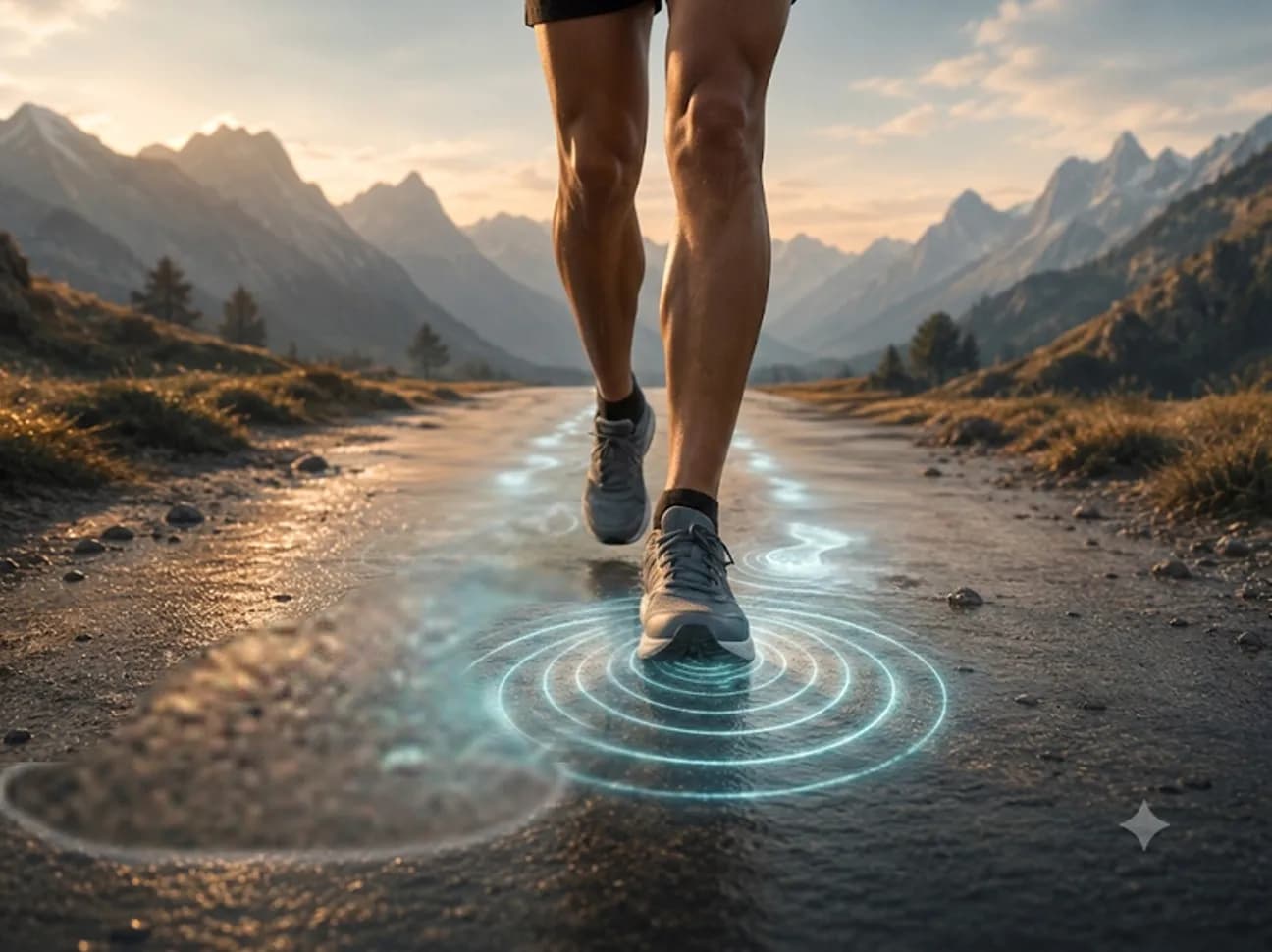
The foot was always the right place to measure.
You read how a person moves. The foot is where that reading is most honest: it is the one place the whole body meets the ground, and it is inside a shoe your client already owns. Bio_Sole is a smart insole that sits there and gives your client a plain picture of how they are moving through their own week. What they share with you is theirs to decide, and theirs to take back.
Practitioners have been working around the limits of consumer wearables for years. The complaint is consistent, and it is not about the technology being inaccurate. It is about where it sits.
What practitioners already say about the tools.
When a client uses a walking frame, a stick, or a rail, their arms carry part of the load. The wrist stops being a reliable place to read a step. Practitioners have said the same three things to us.
i
The wrist misses the step.
When an arm is busy holding a frame, the movement it records is the frame's, not the walker's.
ii
It comes off and stays off.
A watch on a bedside table records nothing at all.
iii
It competes with the day.
One more thing to charge, remember and put on.
Having something around the wrist does not pick up steps as much when you are using a frame. That is why we liked the ones on the shoe, because they could still pick up the step, even if it was a really slow step.
A watch counts what you did. The sole reads how you did it.
Practitioners ask us about smartwatches first, and it is the right question. Dr. Ping Yeap Loh, of the Faculty of Design at Kyushu University, works with wearable sensors for a living and practised as an occupational therapist before that. His answer is about the difference between counting activity and reading movement.
Steps counted tell you that somebody moved. How they moved is the part you were trained to read, and it is the part that stops at your door.
An insole is not a wearable you have to remember
Ground_Truth™ is trusted information anchored to proof of who a person is. Identity is confirmed first, the measurement that inherits it is Ground_Truth™, and only what comes out the far side of that is trusted data. Bio_Sole is the platform that makes it possible: a smart insole that slips into an ordinary shoe and reads how a person stands, bears weight and moves. Your client wears their own shoes and goes about their day.
It fits the life, not the other way round.
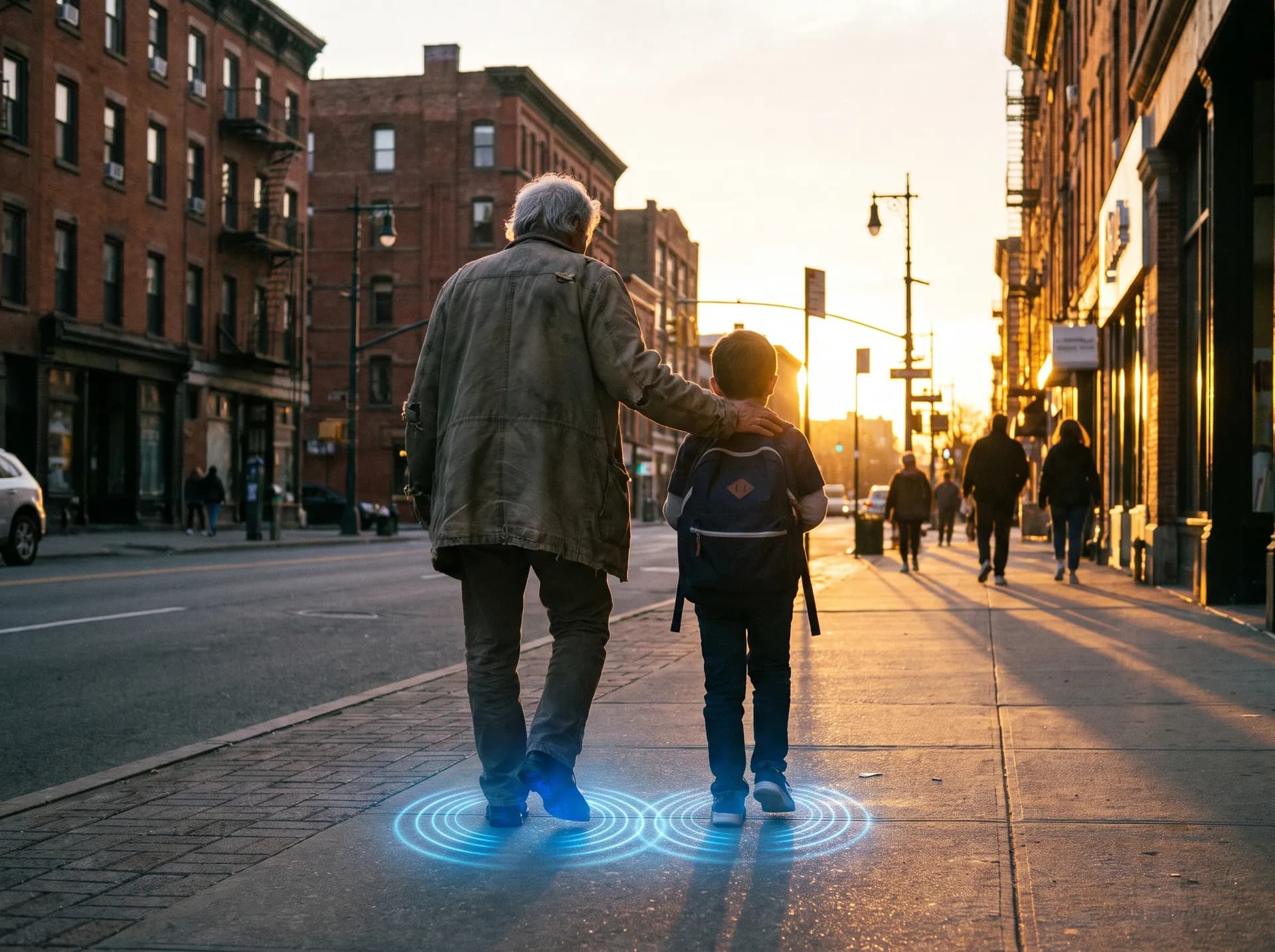
Nothing to strap on, and nothing that announces itself to a room. For a client who is tired of looking like a project, that matters more than any feature.
There is nothing to clip on and lose.
It goes in the shoe they were going to wear anyway, so putting it on is putting their shoes on.
The client sees themselves
The record belongs to the client before it belongs to anyone else. What they see is a plain picture of their own week in ordinary language: when they were active, when they were not, how the shape of a day changed. No score, no ranking, no traffic lights on a person.
That is worth something on its own.
Effort that goes unrecorded gets read as non-compliance, and a client who has adapted intelligently looks identical, from the outside, to a client who has done nothing.
A record of their own effort, held by them, offered to you if they choose.
We are aware this makes us less useful than a system that simply sends you everything, and we accept that. A wellness record a person cannot switch off is not a wellness record. It is surveillance with a friendly interface, and it would not survive first contact with a client who has been unwell and is tired of being observed.
Certainty about who, which every program depends on
Identity is confirmed at the source, in the client's own shoe, so a virtual session, a remote check-in, or a funded program rests on certainty about who was actually there. That is not a claim about anyone's health. It is the plainest possible answer to the question every file, every insurer and every regulator eventually asks.
And your practice holds nothing.
Your client's biometric never leaves their insole. No face, no print, and no movement record sits on your systems waiting to be breached, and there is no biometric database anywhere for anyone to attack. We call this Known, Not Shown.
We would rather hear from you than sell to you
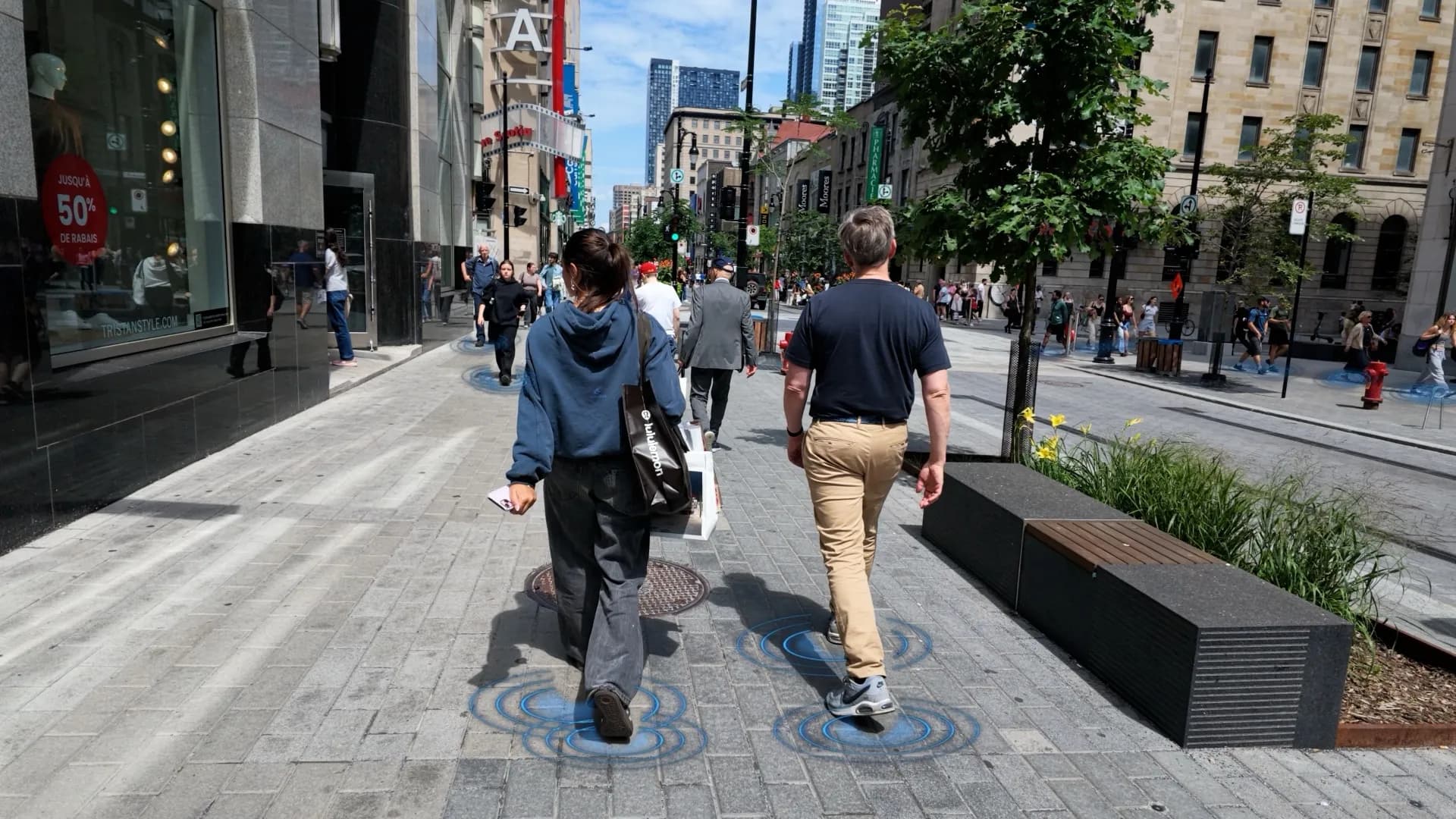
We are early, and we would rather say so. What we know comes out of the lab, and lab conditions are not a week in somebody's life. Our own Dr. Vaibhav Shah is blunt about why that matters: how a person performs in a lab is not how they move outside it, where nothing is constrained and nobody is supervising.
The conversations are shaping what we build next.
We are talking with occupational therapists, physiotherapists and kinesiologists about what would actually be useful in practice. If something on this page is wrong, or missing, or naive about how a caseload really runs, we would like to hear it.
If you are an occupational therapist, physiotherapist, kinesiologist, athletic therapist or pedorthist, start the conversation.
Start the conversation.
Tell us what you do and what a real caseload looks like. We will send you what we have, listen to what you tell us, and take no offence at a hard question.
Questions people ask us.
Why measure at the foot instead of the wrist?
Because the foot is where the step happens. A watch counts what a person did; the sole reads how they did it — cadence, step width, the way weight moves through a foot on stairs and slopes, in ordinary shoes on ordinary floors. And when a client uses a frame, a stick or a rail, the wrist stops being a reliable place to read a step at all. It is general wellness information, not a clinical measurement.
Is this a clinical or diagnostic tool?
No. Bio_Sole is a general wellness product. It does not diagnose, assess, screen for, or treat anything, and it is not a substitute for professional judgement or advice. What it produces are attested wellness signals, not clinical results.
Does the client have to charge it or remember anything?
The insole goes inside an ordinary shoe, so putting it on is putting their shoes on. There is nothing to strap on, nothing to clip on and lose, and nothing that announces itself to a room. Charging routine and runtime: To be confirmed.
Who decides what is shared with a practitioner?
The client, every time. Sharing is opt in, visible before they agree, and can be withdrawn at any point. Nothing reaches a practitioner by default.
Does a practice have to store any biometric data?
No. The biometric stays on the client's own device, inside their insole. Your practice never holds a face, a print, a template, or a movement record, so there is no biometric database to defend. We call this Known, Not Shown.
How does identity verification help a practice?
It answers who with certainty, which matters for virtual sessions, remote check-ins, and funded programs. Identity is confirmed at the source, in the client's own shoe, and systems receive only a yes or a no.
To learn more, check out our Podcast.
Ground_Truth™ is also our documentary series: a company asking itself the hard questions in public, with guests who have no reason to be gentle. Dr. Loh's episode is one of them.