
FOR INSURERS · GROUND_TRUTH™
Continuous identity for insurance, without holding a single biometric.
Every decision your organization makes starts with one question: is this really the person? Bio_Sole answers it continuously, from the sole of an ordinary shoe, and your organization never holds a copy of anyone's body. Yes or no. That is all that ever crosses the line.
KEY FACTS
Verified for the life of the file
Not once at intake
No biometric in your systems
Nothing to breach, nothing to defend
A yes or a no
The only thing your systems receive
The rise of insurance fraud.
You know the numbers better than we do. Industry bodies publish an annual figure for what fraud takes from American insurers, and it is a large one; we are holding it off this page until we can name its source and its year beside it. Source and year: To be confirmed. What the anti-fraud studies agree on needs no figure at all: the serious money moves through organized rings and dishonest actors inside the system, and it rides on one weakness. Identity.
Policies opened in stolen names.
The file is wrong from day one.
Accounts taken over mid-term.
The person on the policy changes; nothing in the record does.
Ghost claimants.
A claim with nobody real behind it.
Credentials passed hand to hand.
On secure sites, where the badge is the only thing being checked.
Why identity is the root control.
Every downstream control inherits the identity decision made on day one. On most books, day one is the only day that decision gets made.
In most life insurance pricing models, underwriting is one-and-done: everything is collected at the outset, and the term can run 30 years with no adjustment. For 30 years, the file and the person drift apart. Every actor who exploits your book lives in that drift. Strengthen the identity thread that runs through the life of the policy and every control downstream of it strengthens with it.
What Bio_Sole is.
A smart insole that slips into an ordinary shoe and reads the way a person stands, bears weight, and moves. A walk is a signature written by the whole body. It cannot be photographed, lifted from a glass, or replayed by software, because it is never stored as an image of anyone, anywhere.
The insole confirms the person at the source, in their own shoe, with every step. The biometric never leaves the device. Your systems receive a yes or a no. We call this Known, Not Shown.

What that architecture means for your organization.
Continuous authentication, not one-and-done.
The identity question is answered throughout the life of a policy, a claim, or a shift, not once at intake.
Workforce authentication where it matters.
In high-security environments, the credential is the person, so a badge passed hand to hand stops working. For workplace insurers and boards, knowing who was actually on site is the beginning of every honest file.
No biometric custody.
Your organization never holds a face, a print, or a template. There is no honeypot to breach, no biometric database to defend, and a far smaller privacy surface as regulation keeps moving in exactly this direction. The strongest data protection posture is not holding the data at all.
Consent people can actually give.
Because nothing personal is surrendered, participation asks less of the insured. Programs get built on a yes that is easy to say and easy to withdraw.
The difference between non-compliance and a plan that does not fit.
A file records what was reported, not what happened. An occupational therapist sent a client home with a support to wear at rest and simple instructions; she came back a week later with it unused, still in its box, because wearing it did not fit a day spent running a household. She had adapted intelligently, and from the outside that looked identical to refusal.
That grey zone is where a file gets closed, a plan gets refused, or a payment gets denied — and where the question quietly becomes who pays. A record the person owns, and chooses to share, closes it without putting anyone under surveillance. Two conditions make that true, and they hold for the whole field: participation is opt in, and what happens to the signal is transparent.
For workers' compensation and disability.
Your world already runs programs built around wearables, recovery and return to work, and the spend on rehabilitation and RTW support is measured in thousands of dollars per claimant. What Bio_Sole brings is the part every program depends on and none of them solve: certainty about the person, for the life of the claim, held to a standard the worker can trust.
The wellness side of the signal stays where it belongs: with the worker. The same walk that proves who they are also carries general insight into how they are, day to day, as observations, not diagnoses. Whether that insight ever enters a program is the worker's choice, made inside a program they opted into.
Different markets, different cases.
United States.
Where coverage is private and margins are made in claims, the case is loss dollars: fraud, leakage, and the cost of not knowing. Verification of the person answers the question surveillance is hired to ask, who is actually in this claim, at every touchpoint rather than on a stakeout, and at a fraction of the investigative spend.
Canada.
Where healthcare is public and capacity is stretched, the case is time, documentation, and trust: remote engagement with treatment plans; documentation robust enough that non-compliance is a finding, not a suspicion; and confidence in claims without adding surveillance to recovery.
Same architecture. Same yes or no. The value lands where each market hurts.
Where this goes.
Adoption in this space will start commercially, with the carriers and boards that move first. They will hold something rare: a stronger answer to the industry's oldest question, and no new data liability to carry for it.
Talk to Bill.
Bill Tyson leads insurance at Bio_Sole. He is a 5th generation insurance professional with 40 years across 5 Fortune 500 companies, from reinsurer to broker, including leadership roles at a global carrier, an international health insurer, and a reinsurer's innovation group. He has run accident and health businesses on 3 continents. He came to Bio_Sole 9 years into a conversation that started when he heard our founder speak, and stayed for the same reason he entered the industry.
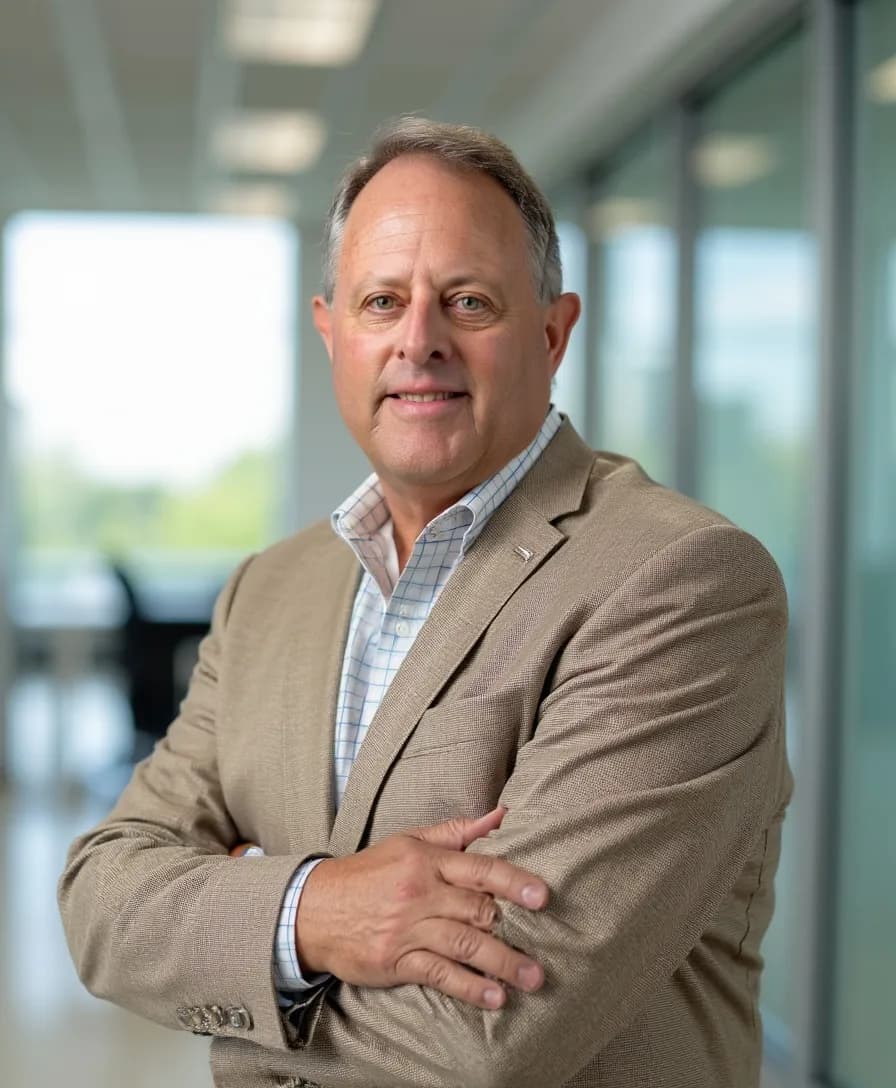
You are providing a societal benefit when somebody gets injured, or loses their life. That is the underlying reason why I am in this business.
Bill Tyson · Insurance Lead, Bio_Sole In most life insurance pricing models, it is a one-and-done underwriting process. You collect all the data at the outset. Sometimes the term of that policy can run 30 years with no adjustment.
Bill Tyson People take their swipe card and give it to somebody else, and now someone is inside a building they were never supposed to enter.
Bill Tyson Continuous identity authentication is huge, because it can help prevent identity fraud, policy fraud, and account takeover.
Bill Tyson Having this capability in place is a really good differentiator for an insurer against their competition.
Bill Tyson Opt in, and transparent.
Bill Tyson
Start the conversation.
If you run underwriting, claims integrity, SIU, or a return-to-work program and want to see what continuous identity would mean on your book, start the conversation. Bill reads these himself, and he would rather hear the objection than the compliment.
Questions people ask us.
What is continuous identity authentication in insurance?
Verifying that the person on a policy, claim, or work site is really that person throughout the relationship, rather than once at intake. Bio_Sole does it through gait: the way a person stands, bears weight, and moves.
How does Bio_Sole verify identity without storing biometrics?
The biometric is read and kept on the person's own device, in their shoe. It is never stored as an image or template anywhere else. Systems that rely on it receive only a yes or a no.
What fraud problems does this address?
Identity fraud, policy fraud, account takeover, ghost claimants, and credential sharing in high-security environments. Identity is the root control every other control inherits.
Does deploying Bio_Sole create biometric data custody for the insurer?
No. Your organization never holds a face, print, template, or gait record. There is no biometric database to defend and no honeypot to breach.
Can this support wellness or return-to-work programs?
The signal belongs to the person. They may choose to share general insight into how they are, as observations, not diagnoses, inside a program they opted into. Opt in, and transparent.
Who do we talk to?
Bill Tyson, Insurance Lead at Bio_Sole: a 5th generation insurance professional with 40 years across the industry, from reinsurer to broker.